

How often should you get an electrical safety inspection? For most New Zealand homes, every 5 to 10 years is a sensible guide. Older homes, rentals and properties with warning signs need one sooner. Here is how often to book an electrical safety inspection, what it checks, and when you should not wait.
How often you need an electrical safety inspection
The right interval depends mostly on the age of your wiring and switchboard, and on who lives in the property. As a general guide:
- Homes under 25 years old with a modern switchboard: every 5 to 10 years.
- Homes over 25 years old, or with an old fuse box instead of circuit breakers: book one now if you have never had one, then every few years.
- Rental properties: once a year, or between tenancies.
- After a sale, renovation or fault: straight away, whatever the age of the house.
In particular, if nobody has inspected your home since you bought it, that is usually the best place to start.
Signs you need an inspection sooner
Some problems will not wait for the next scheduled check. Book an electrical safety inspection now if you notice any of these:
- Flickering or dimming lights that are not caused by a faulty bulb.
- Warm or discoloured switch plates and sockets. Heat means a loose connection or an overloaded circuit.
- A breaker that trips often. Our guide to why a circuit breaker keeps tripping explains the usual causes.
- A burning smell or buzzing near the switchboard, a socket or an appliance.
- Old rewireable fuses or no RCD protection on the switchboard.
What does an electrical safety inspection check?
A registered electrician works through the whole installation and tests it, rather than just looking. A standard inspection covers:
- The switchboard, its circuit breakers and fuses, and its labelling
- RCD (safety switch) operation and trip times
- The condition of visible wiring, and insulation resistance testing on each circuit
- Earthing and bonding
- Sockets, switches, light fittings and fixed appliances
- Smoke alarms
Afterwards, you get a clear report on what is safe, what needs attention now and what can wait.

Is an electrical safety inspection a legal requirement?
For an ordinary house in New Zealand, no. The Electricity (Safety) Regulations 2010 only require periodic inspection of specific installations, such as caravan parks, marinas, construction sites, fairgrounds and medical locations.
However, two rules apply to every property. Any new or altered wiring is prescribed electrical work, and the electrician must certify it when they finish. Our guide to the Electrical Safety Certificate and Certificate of Compliance explains both. Workplaces also have duties under the Health and Safety at Work Act, so businesses should see WorkSafe New Zealand for guidance.
Rental properties and landlords
Landlords must keep a rental in a reasonable state of repair and meet health and safety requirements, and rentals must have working smoke alarms. The Healthy Homes standards cover heating, insulation and ventilation, but they say nothing about the wiring itself.
An annual electrical safety inspection fills that gap. Firstly, it gives you a dated record that a registered electrician checked the property. Secondly, it catches tenant-caused damage early.
Other times to book one
- Before you buy. A builder’s report says little about the wiring. An inspection before you go unconditional shows whether you are taking on a switchboard upgrade or a rewire.
- After a renovation. New work gets certified, but an inspection checks how it ties in with the older wiring.
- In an older home. If the house still has its original wiring, read our guide on when a house needs rewiring.
- Before a new tenancy. As a result, both you and your tenants start with a clear picture.
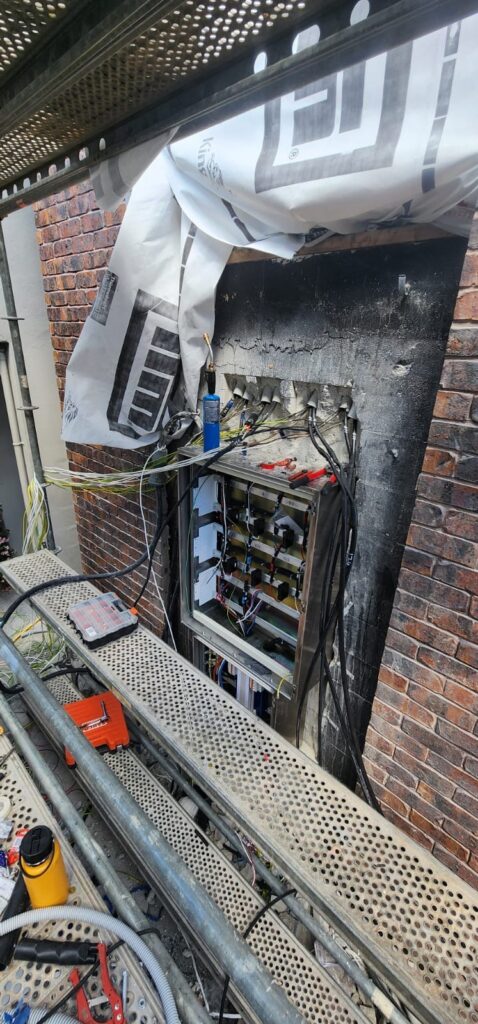
- After a flood, storm or fire. For example, water and heat damage are not always visible.
What happens after the inspection?
If everything passes, you get a report confirming the installation is in good condition. If the electrician finds problems, they make anything dangerous safe on the spot and list the rest in order of priority.
For example, common fixes include adding RCD protection, replacing worn sockets and switches, correcting earthing, or upgrading an old switchboard. Do not leave the report in a drawer. After all, acting on it is what keeps your home safe.
What an inspection cannot see
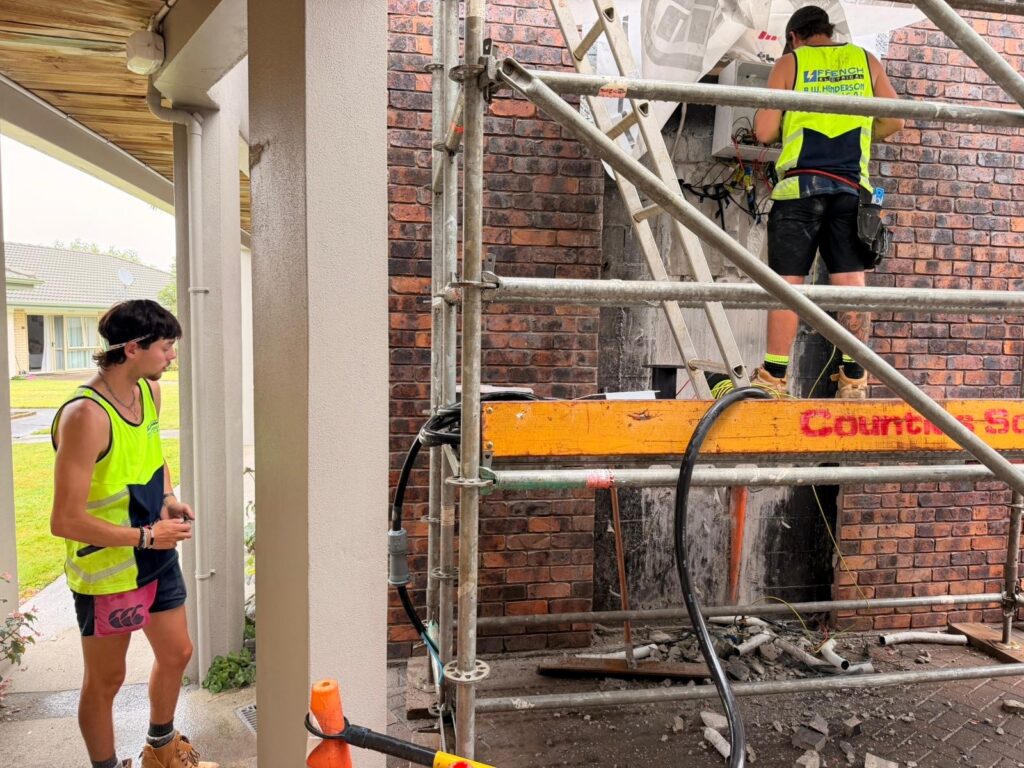
An electrician can only inspect what they can reach. Cable inside walls, under floors and in the ground stays out of sight. Insulation resistance testing still measures the condition of that hidden wiring, so it will flag a circuit that is breaking down.
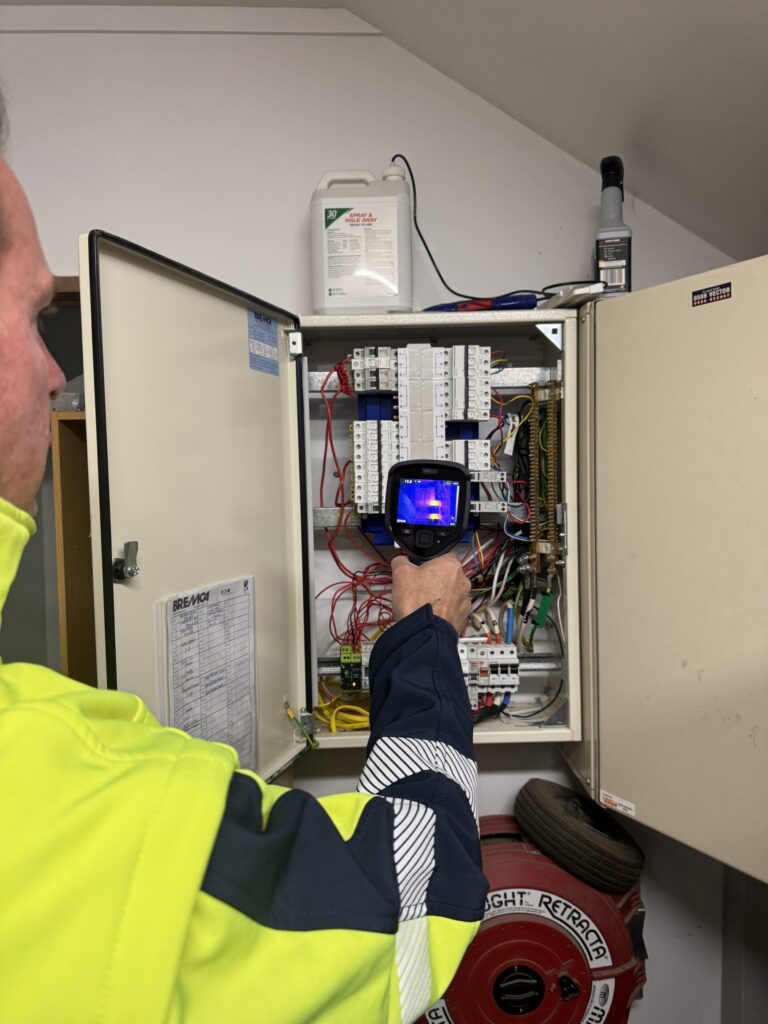
For switchboards and commercial sites, thermal imaging adds another layer. In other words, it shows hot spots from loose or overloaded connections before they fail.
Electrical safety inspection FAQs
How often should you get an electrical safety inspection?
For most New Zealand homes, every 5 to 10 years is a sensible guide. However, homes over 25 years old, or with an old fuse box, need one sooner. Rental properties are best inspected once a year or between tenancies. Also book one straight away after a renovation, a fault or a house purchase.
Is an electrical safety inspection required by law for a house in NZ?
No. The Electricity (Safety) Regulations 2010 only require periodic inspections for specific sites, such as caravan parks, marinas, construction sites and fairgrounds. For an ordinary house, an inspection is voluntary. However, it is still the best way to find faults early, and a registered electrician must always certify any new or altered wiring.
How often should a rental property be checked?
Once a year, or between tenancies. Landlords must keep a rental in a reasonable state of repair, and rentals need working smoke alarms. An annual electrical safety inspection gives you a dated record that a registered electrician checked the wiring, switchboard and smoke alarms. It also catches damage before it becomes a hazard.
What does an inspection cover?
A registered electrician checks the switchboard, circuit breakers and RCDs, the condition of visible wiring, and earthing and bonding. They also test sockets, switches, light fittings, fixed appliances and smoke alarms. In addition, each circuit gets insulation resistance testing. You then get a clear report on what is safe and what needs attention.
What are the warning signs to look for?
Watch for flickering or dimming lights, warm or discoloured switch plates and sockets, and breakers that trip often. A burning smell or buzzing near the switchboard is also a warning sign. Likewise, old rewireable fuses or a switchboard with no RCD protection mean you should book an electrical safety inspection sooner rather than later.
Should I get the wiring checked before buying a house?
Yes. A builder’s report says very little about the wiring. An electrical inspection before you go unconditional shows whether you are taking on a switchboard upgrade or a rewire, both of which can cost thousands. As a result, you can negotiate on price or budget for the work before you commit to the purchase.
What happens if my home fails?
Your power stays on. The electrician makes anything dangerous safe straight away, then gives you a prioritised list of repairs for the rest. Common fixes include adding RCD protection, replacing worn sockets, correcting earthing or upgrading an old switchboard. Once an electrician completes the repairs, they can re-check the work and update your report.
Is an inspection the same as a Certificate of Compliance?
No. A Certificate of Compliance certifies new or altered electrical work when an electrician finishes it. An electrical safety inspection, on the other hand, checks the condition of the whole existing installation, including wiring that may be decades old. Most homes will have both at different times, and each one serves a different purpose.
Book an electrical safety inspection in South Auckland
BW Henderson carries out electrical safety inspections for homes, rentals and businesses across Papakura, Takanini, Manurewa, Drury and the wider south. Our residential electricians give you clear, honest reporting on what needs fixing and what does not. For businesses, we also offer test and tag. Contact us to book yours.