

If you’re considering house rewiring in Auckland, the first question is usually: does my home actually need it? Electrical wiring doesn’t last forever. Most residential wiring has a serviceable life of around 25–40 years depending on the type of cable used, the conditions it’s installed in, and how well the property has been maintained. For the large number of Auckland homes built in the 1960s, 70s, and 80s, that means rewiring is either overdue or approaching.
The challenge is that deteriorating wiring isn’t always obvious — it’s hidden inside walls and ceilings, and the warning signs can be subtle. Here’s what to look for.
Key Warning Signs That a House May Need Rewiring
Frequently tripping circuit breakers
Occasional trips are normal — a breaker tripping when you run too many appliances on one circuit is the system working as intended. However, if breakers trip regularly under normal household load, or if the same circuit trips repeatedly, it may indicate deteriorating wiring, a faulty connection, or an overloaded circuit that needs to be split. Consequently, this warrants an inspection by a registered electrician.
Flickering or dimming lights
Lights that flicker or dim when other appliances switch on can indicate loose connections, poor wiring joints, or insufficient wiring capacity for the current load. While sometimes a simple fix, persistent flickering can signal a more systemic wiring issue — particularly in older homes.
Discoloured, scorched, or warm power points
Any discolouration, scorch marks, or warmth around a power point or light switch is a serious warning sign and should be investigated immediately. These are signs of arcing — electrical current jumping across a gap — which is a leading cause of house fires. Do not ignore these.
Burning smell with no obvious cause
A burning or unusual smell near power points, the switchboard, or inside walls — particularly when no appliance is running — suggests wiring is overheating somewhere in the circuit. This is an emergency situation. Switch off the power at the mains and call an electrician immediately.
Older cable types known to degrade
Certain cable types installed in New Zealand homes from the 1960s to 1980s are known to degrade over time. These include:
- V75 PVC cable — commonly installed through to the mid-1980s, the insulation becomes brittle and cracks with age
- Aluminium wiring — used in some New Zealand homes during the 1970s, aluminium expands and contracts differently from copper and can loosen at connections over time
If you don’t know what type of wiring is in your home and it was built before 1990, an electrical inspection is worthwhile.
The property hasn’t been inspected in over 25 years
Even if there are no obvious symptoms, wiring that hasn’t been assessed in 25 or more years should be inspected. In addition, if you’ve purchased an older property and don’t have records of any electrical work, an inspection gives you a clear picture of what you’re working with.
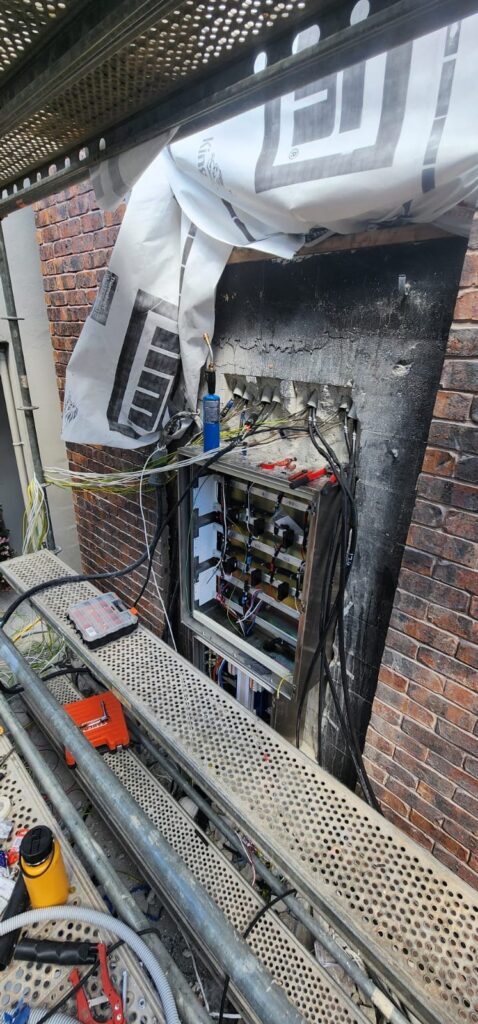
Does a Partial Rewire Make Sense?
Sometimes — if only certain circuits are problematic, or if you’re renovating a specific area of the home, a partial rewire may be appropriate. However, if the overall wiring is ageing, a full rewire is usually more cost-effective in the long run than repeated partial remediation. An electrician can advise on the most practical approach for your specific situation.
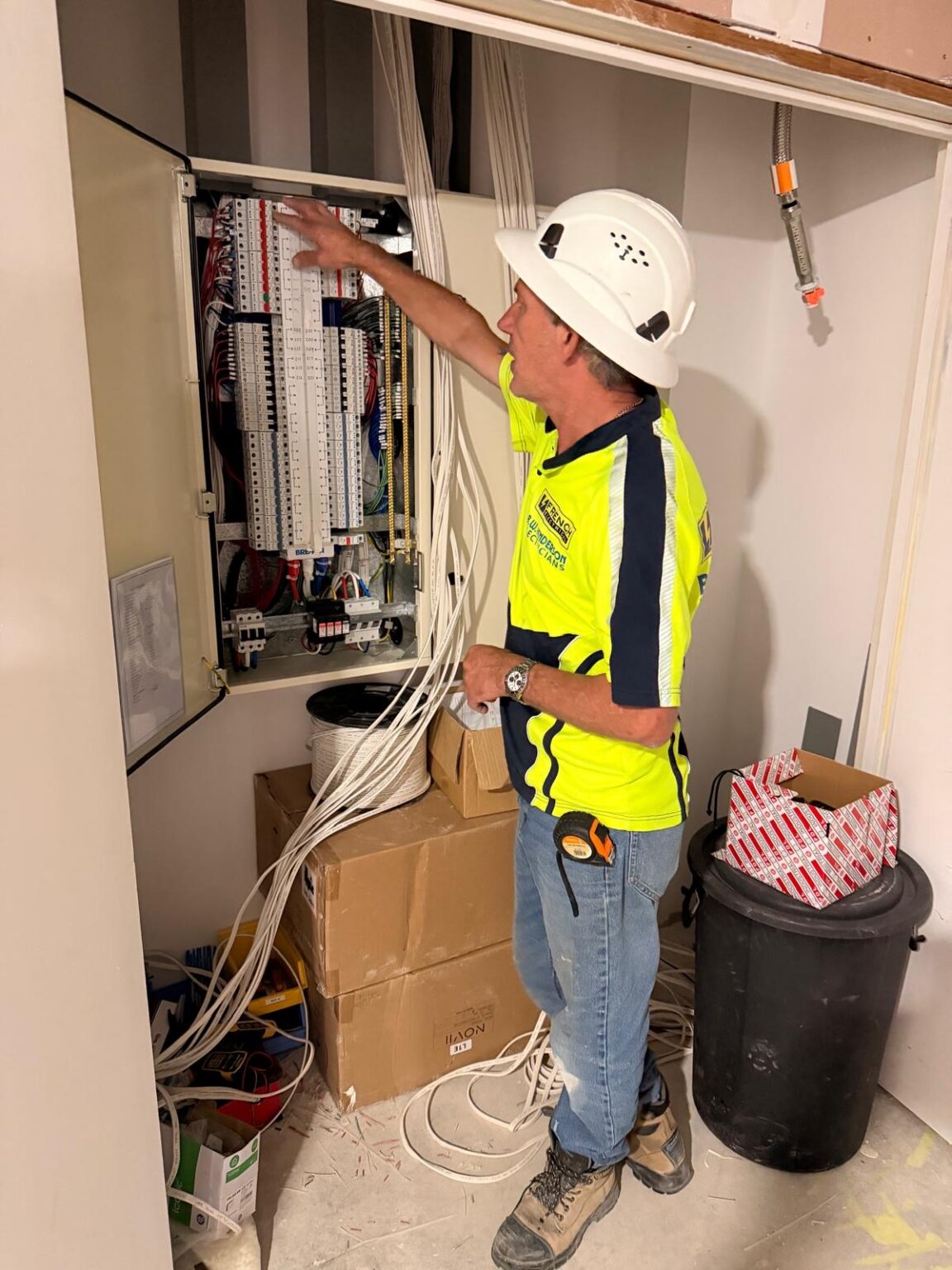
What Does a Full House Rewire Involve?
A full rewire involves replacing all the wiring in the property — circuits, cabling, power points, light fittings, and the switchboard. It’s a significant job, and in most cases it requires access inside walls and ceilings, which may involve some plastering and repainting work once complete.
The process typically involves:
- Assessment of the existing installation and a fixed-price quote
- Running new cable throughout the property
- Installing a new switchboard with modern circuit breakers and RCD protection
- Fitting new power points, switches, and light fittings as required
- Full testing and issue of a Certificate of Compliance
The duration depends on the size of the property — most standard Auckland homes take two to five days. Furthermore, the property is usually still liveable during the rewire, though some rooms will be without power at certain points during the work.
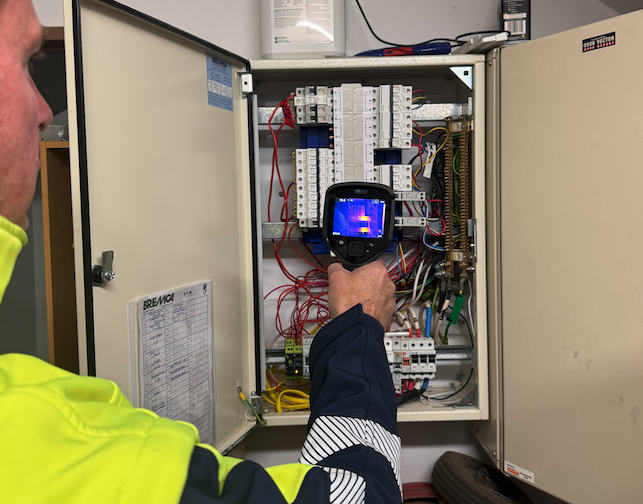
Can Thermal Imaging Help Identify Wiring Issues?
Thermal imaging inspections use infrared cameras to detect heat signatures from overloaded circuits, failing connections, and deteriorating wiring — all without opening up walls. This is a cost-effective way to identify hidden issues before they become serious problems, and is increasingly used on residential properties as well as commercial and industrial sites.
Book an Electrical Inspection
If you’re concerned about the wiring in your home, BW Henderson Electrical carries out residential electrical inspections and full house rewires across Auckland. We assess your installation, identify any issues, and provide a clear quote before any work begins. As a Master Electricians member, all our work is backed by a $20,000 workmanship guarantee.
Call 09 298 1944 or book online. Note that a charge applies for fault-finding and repair assessments.