

Blog

Why Does My Circuit Breaker Keep Tripping?

A circuit breaker that keeps tripping isn’t just an inconvenience, it’s your switchboard doing its job and protecting your home from a wiring fault, an overloaded circuit, or a faulty appliance. Here are the most common reasons it happens, and when it’s time to call in a registered electrician rather than just flicking it back on.

The most common cause of a tripping breaker is a simple overload. Every circuit is rated to carry a set amount of current, typically 10 amps for lighting circuits and 16 to 20 amps for general power circuits, and once too many appliances draw power from it at once, the breaker trips to stop the wiring overheating. High-draw appliances like heaters, kettles, hair dryers, and microwaves are the usual culprits, especially when several run on the same circuit at once, such as during a busy morning or a cold winter evening. If your breaker only trips when a specific combination of appliances is running, an overload is almost certainly the cause, and the fix may be as simple as spreading appliances across different circuits or, if your home genuinely needs more capacity, having a registered electrician add it.
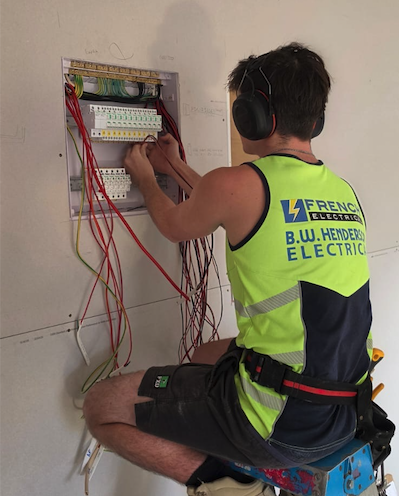
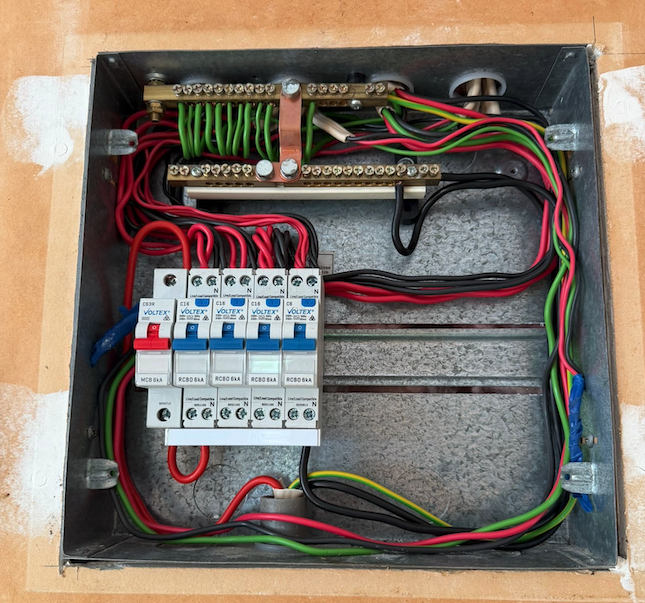
bw henderson circuit breaker
A short circuit happens when a live wire touches a neutral wire or an earthed surface directly, creating a sudden, high-current path that trips the breaker instantly. Unlike an overload, it’s not about too much demand, it’s a fault in the wiring itself, often caused by damaged or perished insulation, a nicked cable, or a fault inside an appliance. The telltale sign of a short circuit is that the breaker trips again the moment you reset it, because the fault is still there. If that happens, don’t keep resetting it, call a registered electrician to track down and fix the fault.
bw henderson circuit breaker

A ground fault, or earth leakage, happens when current escapes to earth instead of following its intended path, often through moisture, a damaged appliance, or deteriorated wiring insulation. This is exactly the kind of fault an RCD (residual current device), sometimes called a safety switch, is designed to catch, so if it’s your RCD tripping rather than a standard breaker, an earth fault somewhere on that circuit is the likely cause. Common triggers include a wet outdoor power point, a faulty appliance cord, or condensation inside a light fitting.
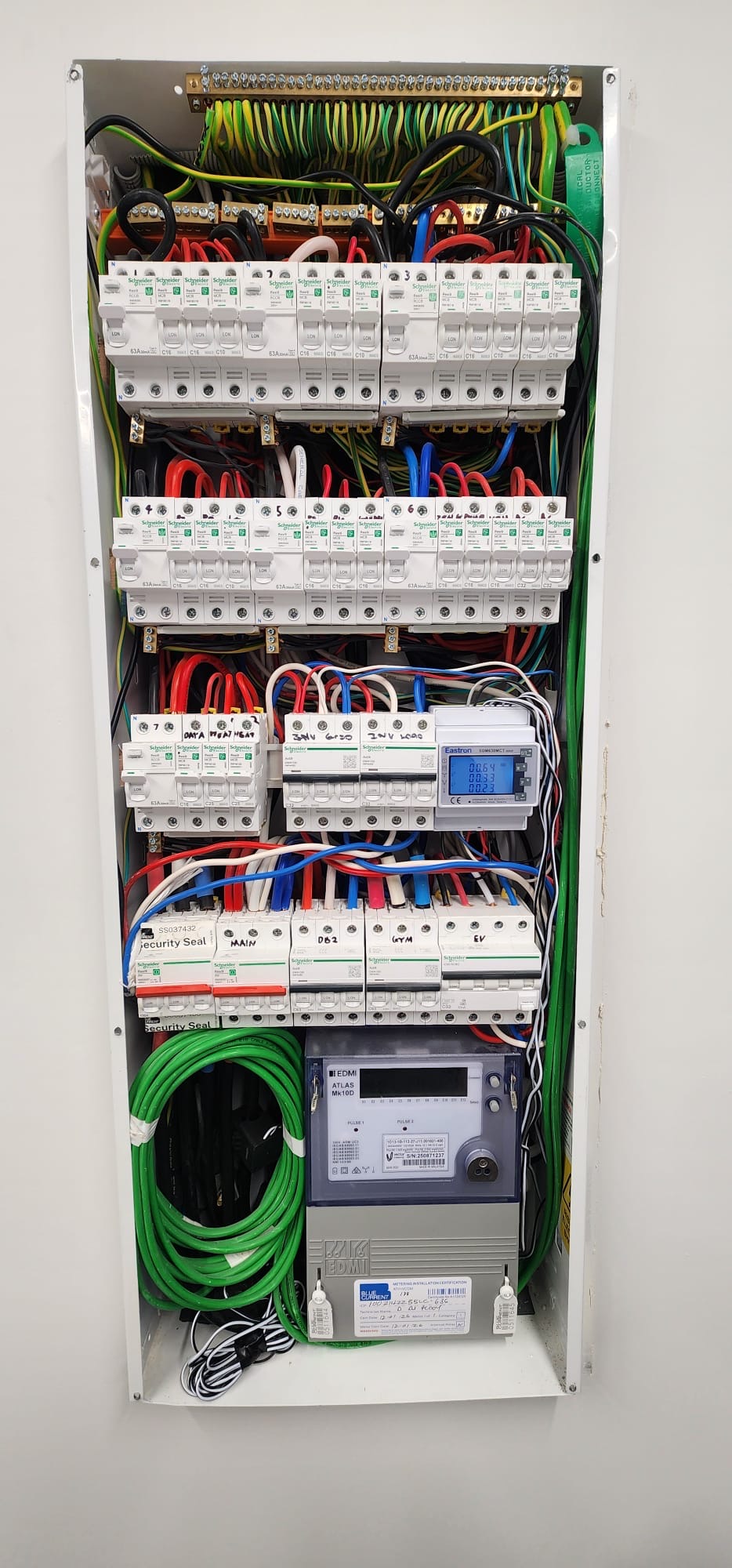
If your breaker trips the instant you reset it, or keeps tripping with nothing obviously overloaded, treat that as a warning sign rather than a nuisance. Repeatedly flicking it back on lets a fault arc again each time, which generates heat and can damage the wiring or the breaker itself. Leave it switched off and get a registered electrician to find the actual cause before that circuit is used again.
bw henderson circuit breaker
Breakers do wear out. The internal mechanism that trips the switch can weaken with age or with repeated tripping, making it prone to nuisance trips even when there’s no real fault on the circuit, or in some cases failing to trip when it should. If your switchboard is older, or a specific breaker trips more often than others for no clear reason, that’s worth having checked. A registered electrician can test individual breakers and replace any that are worn out or unreliable.

BW Henderson can track down the real cause of a tripping breaker and fix it properly, whether that’s an overload, a short circuit, a ground fault, or a worn breaker, rather than just resetting it and hoping it doesn’t happen again. Get in touch if your breaker keeps cutting out and we’ll get to the bottom of it. For general guidance on electrical safety at home, see WorkSafe New Zealand’s advice on electrical hazards.