

Home automation means being able to control the lights, heating, security and power points in your home from your phone, a wall panel or your voice, and having some of it run on its own. It sounds high-tech, but for most homes it starts with a few smart switches. Here is how home automation works, what it costs, and what to check before you install it.
How home automation actually works
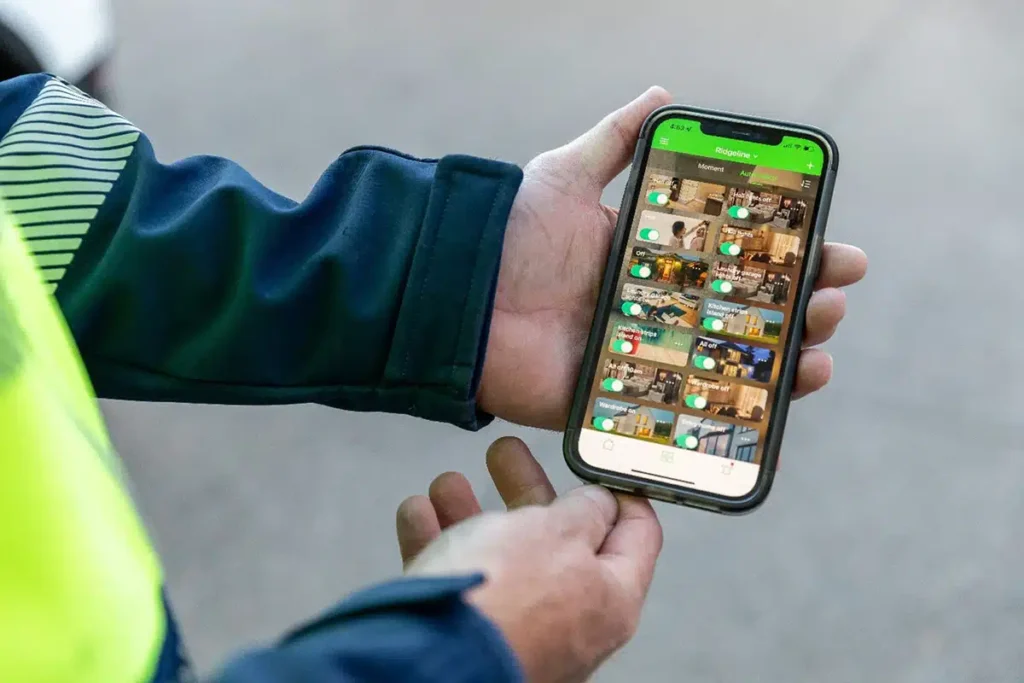
Every home automation system has three parts. First, there are the devices that do the work: smart switches, dimmers, plugs, sensors, locks and thermostats. Next, there is the network they talk over, which is usually your Wi-Fi, a dedicated wireless protocol through a small hub, or hard-wired control cabling in a new build. Finally, there is the control: an app, a wall-mounted panel, a voice assistant, or a set of rules that runs automatically.
Those rules are where home automation earns its keep. For example, the hallway lights can come on at 20% when someone gets up at night, the heat pump can start before you get home, and everything can switch off with a single “goodnight” button.
The benefits of home automation
A well-planned home automation system does more than add convenience. It can lower your power bills, because heating and lighting run around when you are actually home. It also improves security, since smart locks and cameras let you check the property from anywhere. In addition, it makes a home easier to live in for older family members, with lights that come on by themselves and fewer switches to find in the dark. For many South Auckland homes, it is a practical way to modernise without a full rewire.
What does home automation cost in NZ?
Costs vary a lot depending on how much of the house you want connected. A few smart switches or plugs is a small job. In contrast, a whole-home system covering lighting, heating and security can run into the thousands, especially if new data or control cabling is needed. Running costs are low, because most hubs and smart devices use very little power; the real cost is the installation. Always get a written quote from a licensed electrician first, and see our pricing page for callout rates.
Choosing the right system for your home
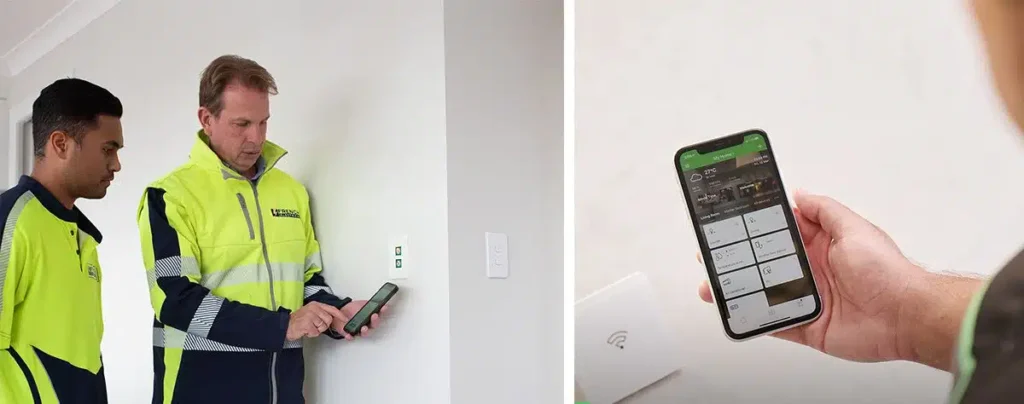
Not every home automation system suits every house. Some rely on Wi-Fi alone, while others need a dedicated hub or bridge, and the cheapest devices often lock you into one brand’s app. Older homes may also need work before smart switches or dimmers can be fitted safely. Will it work with your existing wiring? Often, but not always, particularly where several smart dimmers share one circuit or there is no neutral at the switch. An electrician can test the wiring and recommend a system that fits both your budget and your home.
Is home automation worth it?
For most households, starting small is the smartest approach. Add one or two devices, live with them for a few weeks, then decide what to add next. As a result, you avoid paying for features you will not use, and you test compatibility with your wiring before committing to a bigger system. Most people start with smart lighting or security, because those are the two areas where the difference is obvious from day one.
The main types of smart home system
Home automation is not one product. Instead, it is a mix of systems that can be added on their own or combined over time:
- Smart lighting. Dimmable circuits and smart switches that can be scheduled, dimmed or triggered by motion sensors.
- Climate control. Smart thermostats and heat pump controllers that adjust heating to occupancy or time of day.
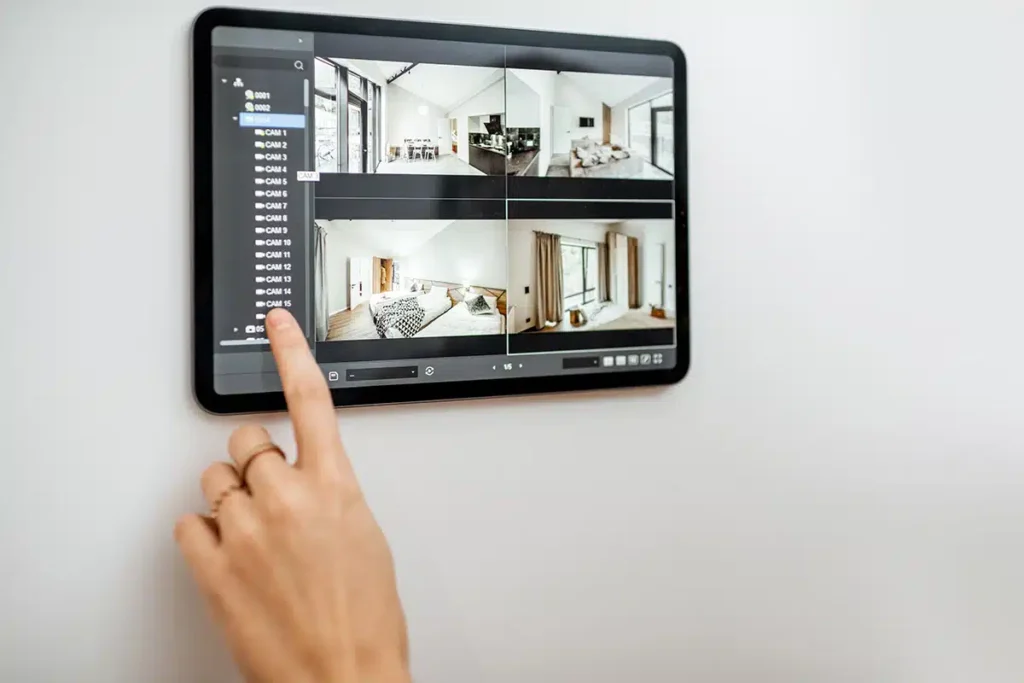
- Security and access. Smart locks, video doorbells and cameras that link to your phone for remote monitoring.
- Power management. Smart power points and circuit monitors that track usage and switch appliances off remotely.
- Entertainment. Networked audio and smart TVs that work with voice assistants for whole-home control.
Electrical safety comes first
Home automation devices still run through your home’s wiring, so safety comes first. Smart dimmers and switches need to match the load and wiring they are connected to, and not every product sold online is approved for New Zealand. Do you need an electrician? For plug-in devices, no. However, hardwired smart switches, dimmers and new cabling must be installed by a licensed electrician to stay legal and safe. We also check switchboard capacity and circuit loads first, and advise whether a switchboard upgrade is worth doing at the same time.
Plan it during a renovation or new build
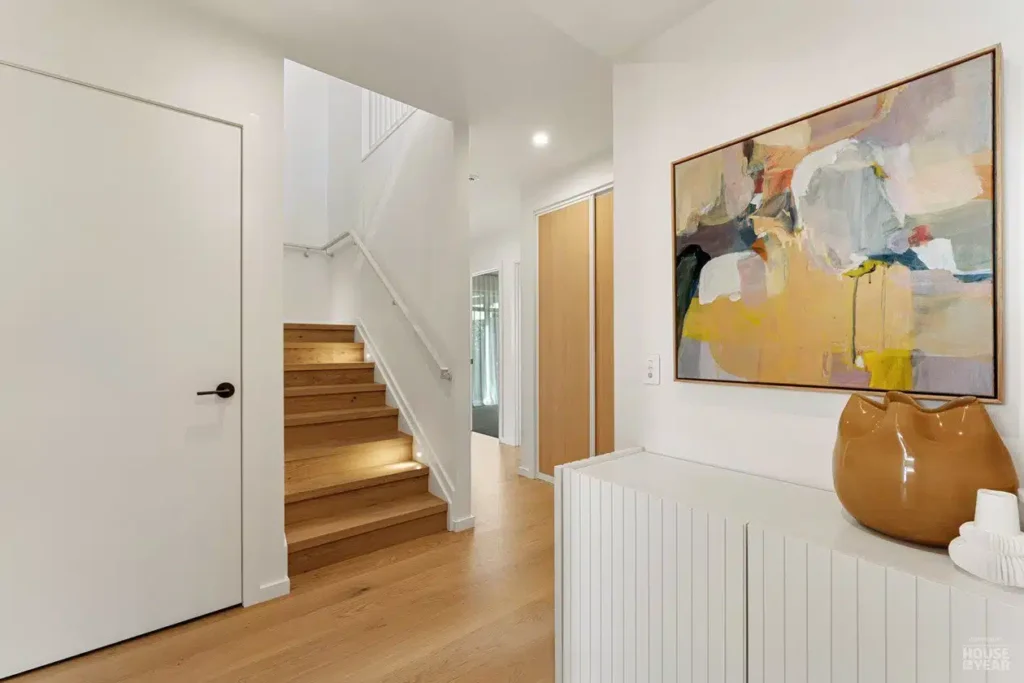
The cheapest time to add home automation is when the walls are already open. During a renovation or new build, control cabling, extra neutrals and well-placed switch boxes cost very little to put in, even if you only connect a few devices at first. Retrofitting the same thing later means cutting into finished walls. If an older home is due for rewiring anyway, plan the smart home layout at the same time.
Home automation FAQs
What is home automation?
Home automation lets you control your lights, heating, security and power points from your phone, a wall panel or your voice. You can also set them to run on their own. It can be as small as a few smart switches. Or it can be a whole-home system that links lighting, heat pumps, locks and cameras.
How does home automation work?
Smart devices such as switches, dimmers, sensors and thermostats connect to a network. That is usually your Wi-Fi, a small hub, or wired control cabling in a new build. You control them through an app, a wall panel or a voice assistant. You can also set rules, so the lights come on at sunset or the heat pump starts before you get home.
How much does home automation cost in NZ?
It depends on how much of the house you connect. A few smart switches or plugs is a small job. A whole-home system covering lighting, heating and security can cost several thousand dollars, especially if it needs new cabling. For an exact figure, get a written quote from a licensed electrician. Our pricing page lists callout rates.
Do I need an electrician to install smart switches?
For plug-in smart devices, no. Hardwired smart switches, dimmers, smart power points and new control cabling are electrical work, though. In New Zealand, a licensed electrician has to do that work. Your electrician should also certify it, so you have proof the installation is safe and legal.
Will smart switches work with my existing wiring?
Often, but not always. Many smart switches need a neutral wire at the switch, and older homes may not have one. Several smart dimmers on one circuit can also overload it. An electrician can check your wiring and switchboard first. They can then recommend devices that suit your home, or tell you if any rewiring makes sense.
Is a smart home expensive to run?
No. Most smart hubs, switches and sensors use very little power. In fact, scheduling heating and lighting around when you are home can lower your power bill. The main cost is the upfront installation, not the running.
Does a smart home work without the internet?
Partly. Systems with a local hub or wired control usually keep running schedules and wall switches if the internet drops. You just lose control from your phone until it comes back. Cheaper Wi-Fi devices that rely on a cloud app may stop responding altogether. That is worth weighing up when you choose a system.
Can I add smart home devices gradually?
Yes, and it is usually the smartest way to start. Most homeowners begin with smart lighting or security. Then they add heating control, power monitoring or more rooms over time. Pick a system that can grow, and plan cabling during any renovation, so later additions are easier and cheaper.
Get home automation installed in South Auckland
BW Henderson designs and installs home automation systems that suit how you actually live, from a few smart switches to a whole-home setup. Our residential electricians work across Papakura, Takanini, Manurewa, Drury and the wider south, and every hardwired job comes with the right certification. To talk through your options, book a job or contact us for a free assessment and quote. You can check any electrician’s licence on the Electrical Workers Registration Board register, and for general guidance see WorkSafe New Zealand.