

Blown fuse or tripped breaker: the quick answer
A tripped breaker is a switch, so you can reset it yourself. A blown fuse is a small consumable part, so it has to be replaced. That is the whole difference in one line.
The rest of this guide walks you through how to work out which one you have, what to do about it, and when the safest move is to stop and call a registered electrician.
How to spot a tripped breaker
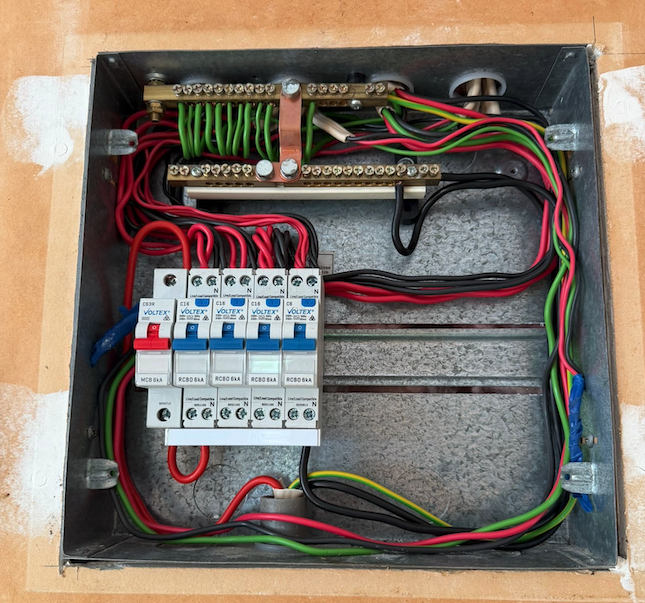
A tripped breaker will show its switch sitting in a middle position, neither fully on nor fully off. Some brands drop the switch all the way down instead, and many show a small red or orange flag in the window beside the switch.
To reset it, first flick the switch firmly all the way to off. Then push it back to on. That extra step matters, because a breaker will not re-latch from the halfway position.
If the breaker holds, the circuit was simply overloaded for a moment. If it trips straight back out, stop there. A breaker that will not stay on is telling you there is a genuine fault on that circuit.
How to spot a blown fuse
A blown fuse, on the other hand, won’t have a switch to reset. A rewireable fuse will show a broken or melted wire strip, and often a dark smudge on the ceramic holder. A cartridge fuse gives you no visible sign at all, so it needs to be removed and tested, or simply swapped for a new one.
Always replace a fuse with one of the exact same rating. Fitting a higher-rated fuse, or worse a piece of wire, removes the protection the fuse was there to provide. The cable behind the wall then becomes the weakest link.
Unlike a tripped breaker, a blown fuse is a one-shot device. Once it has done its job it is finished, and no amount of switching will bring it back.
Fuse box or modern switchboard? Check the board first
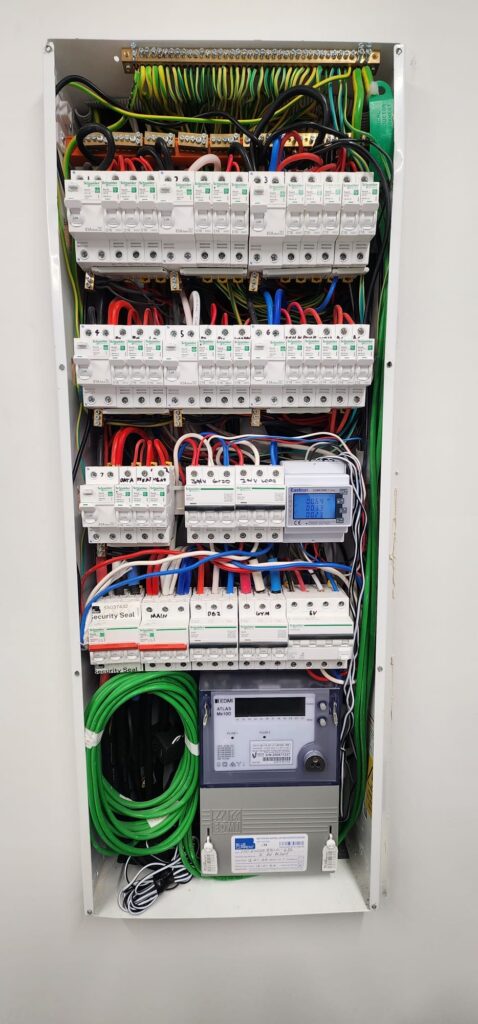
If your switchboard has rows of small switches, you almost certainly have circuit breakers. If it has ceramic holders, or ceramic-and-wire fuse carriers, you’re dealing with an older fuse-based board.
Plenty of Auckland homes have both. A board that was part-upgraded years ago will often run newer circuits on breakers while the original lighting or stove circuit still sits on a fuse. So it pays to check the whole board rather than assume.
Why do you keep getting a tripped breaker?
A single trip is usually nothing. A pattern is a different story. These are the causes we see most often in Auckland homes:
- Overload. Two heaters, a kettle and a dryer all pulling from one circuit.
- A faulty appliance. Older heaters, fridges and washing machines are common culprits.
- Moisture. Water in an outdoor socket, a leak above a light fitting, or a damp bathroom fan.
- Damaged cable. A nail or screw through a wall cable, or rodent damage in the ceiling.
- A tired switchboard. Breakers and RCDs wear out, and a weak one will trip well below its rating.
RCDs: the third thing on your switchboard
Not every trip is a breaker trip. Most modern boards also carry RCDs, the wider switches that protect people rather than cables. An RCD trips when current leaks to earth, which is exactly what happens when someone touches a live part or water finds its way into a fitting.
An RCD usually takes out several circuits at once, so a whole side of the house goes dark. If half your home loses power rather than one circuit, look for a wide switch first, before you go hunting for a tripped breaker.
Warning signs that need an electrician now
Some faults are not DIY territory. Call a registered electrician straight away if you notice any of these:
- A burning, fishy or hot-plastic smell near the board, a socket or a switch
- Scorch marks, browning, or melted plastic anywhere on the switchboard
- A buzzing, humming or crackling sound coming from the board
- A breaker that trips again the moment you reset it
- Fuses blowing repeatedly on the same circuit
- Warm socket plates, or a plug that is hot to the touch
A tripped breaker that keeps coming back
Breakers can be reset yourself if they trip occasionally and then behave. A blown fuse needs replacing with one of the exact same rating, never a higher one.
If either keeps happening, that’s a sign of an underlying fault rather than a one-off overload, and it is worth having a registered electrician take a look. Tracing the cause is a straightforward job with the right test gear. Guessing at it is not.
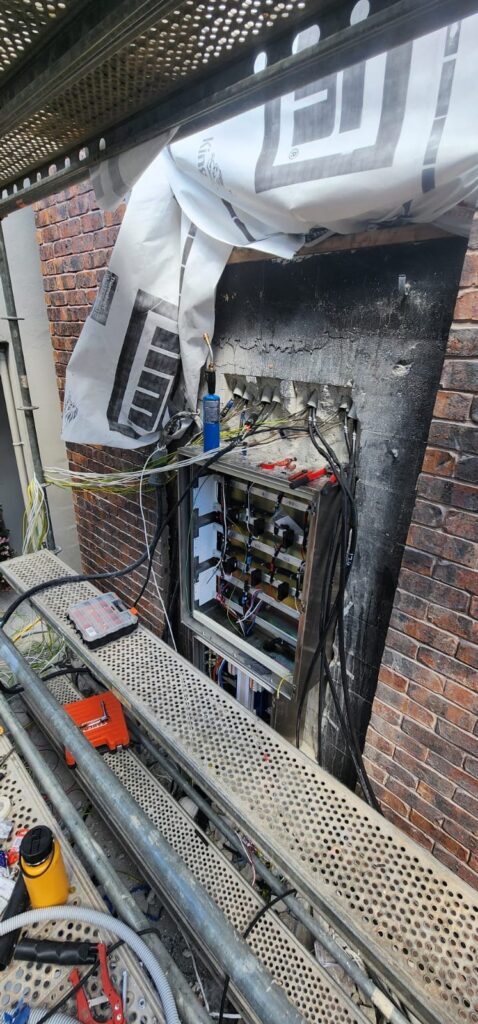
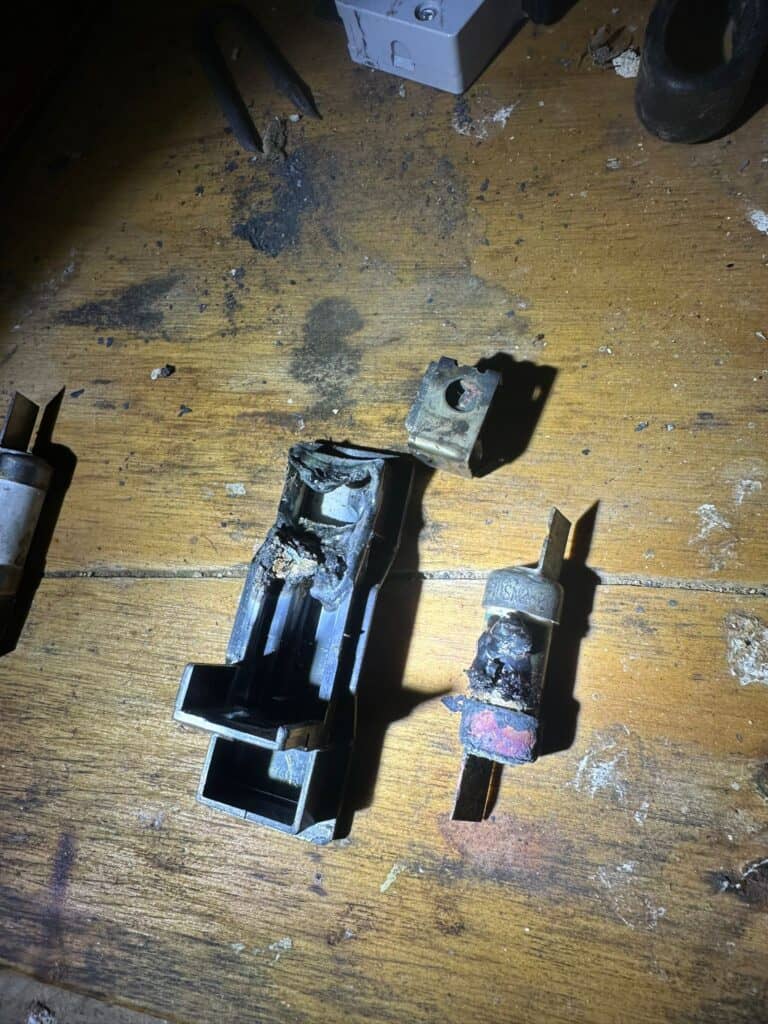
When an old fuse board is worth upgrading
An old fuse board is not automatically unsafe, but it does have limits. There is no RCD protection, replacement fuses are getting harder to buy, and the board was never designed for the load a modern kitchen puts on it.
Most homeowners upgrade at a natural moment: a renovation, a new oven or heat pump, an EV charger, or a rental that has to meet the Healthy Homes standards. A new switchboard also means a tripped breaker becomes a ten-second reset instead of a trip to the hardware store.
Get a tripped breaker or blown fuse sorted in Auckland
BW Henderson can quickly work out whether you’re dealing with a fuse or a breaker issue, and fix the root cause rather than the symptom. Our residential electricians cover Auckland, and you can check current rates on our pricing page before you commit.
Get in touch if your power keeps cutting out, or book a job online and we’ll come to you. For general guidance on staying safe around electricity at home, see WorkSafe New Zealand’s advice on electrical hazards.