

Rising electricity costs are now a standing agenda item for a lot of South Auckland businesses, and increasingly, for households too. The good news is that solar has moved well past the point of being a niche, cash-only investment. Between falling equipment prices and a genuinely competitive set of green finance products from New Zealand’s major banks, going solar in 2026 is a far more accessible decision than it was even three or four years ago, whether you’re running a warehouse in Wiri or a family home in Papakura.
BW Henderson has been part of South Auckland’s electrical landscape since 1952, and in that time we’ve supplied and installed a lot of electrical systems that were considered cutting-edge for their era. Solar is the current chapter. This guide covers why commercial and residential clients across Auckland are adding solar, the mechanics of how a system actually works, what our supply and install process involves, and, because this is usually the deciding factor for businesses and homeowners alike, the specific bank finance options on the table right now.
Why South Auckland Businesses and Homeowners Are Adding Solar
For commercial and industrial clients especially, solar has shifted from a sustainability nice-to-have to a straightforward operating cost decision:
- Reduced operating costs. Every kilowatt-hour generated on-site is a kilowatt-hour you’re not buying from your retailer at rising rates: a direct line to your bottom line for commercial and industrial operations with high daytime power draw.
- Price certainty. Whether you own the system or fund it through a Power Purchase Agreement, solar locks in a predictable energy cost, insulating your business from further grid price increases.
- Export income. Power you generate but don’t use is sold back to the grid at your retailer’s buy-back rate, currently ranging from roughly 8c to 25c per kWh depending on retailer and plan.
- Compliance and ESG reporting. For businesses that report on sustainability commitments or tender for contracts requiring environmental credentials, an on-site renewable generation asset is a tangible, verifiable outcome.
- Resilience. Combined with battery storage, solar can reduce a site’s exposure to grid outages and demand charges.
- For homeowners: the same fundamentals apply. Lower bills, protection from further price rises, export income, and a solar system is increasingly viewed as a value-adding feature by buyers, similar to double glazing or a heat pump.
How a Solar System Works
Whether it’s a small residential array or a large commercial installation, the fundamentals are the same:
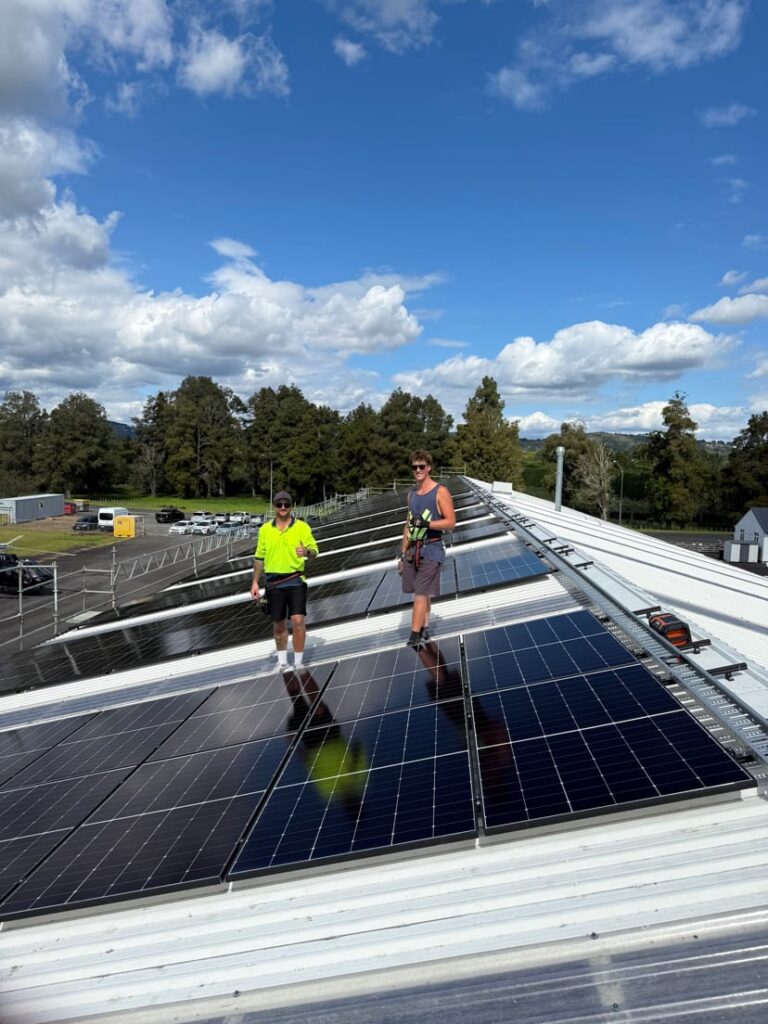
- Solar panels. Photovoltaic cells convert sunlight into DC (direct current) electricity. Output depends on panel quality, roof orientation, shading and the number of usable sun hours your site receives.
- The inverter. Converts the DC output from your panels into the AC (alternating current) power used to run your equipment, lighting and appliances, or feed into the grid.
- Self-consumption vs. export. Generated power is used on-site first; anything surplus is exported to the grid and credited at your retailer’s buy-back rate. Commercial sites with steady daytime demand (retail, manufacturing, warehousing) typically self-consume a much higher share of what they generate than a residential property does.
- Battery storage (optional). Storing excess generation for use outside daylight hours increases self-consumption and reduces reliance on the grid, which matters most for sites with significant after-hours or evening demand.
For a typical residential system without a battery, most homeowners use around half of what they generate on-site and export the remainder. Under those conditions, EECA’s modelling points to a payback period of roughly 7 to 9 years for a well-sized home system, after which generation is effectively free for the remaining 25+ year lifespan of the panels. Commercial paybacks vary more depending on load profile, but sites with high daytime usage (the kind we see a lot of across South Auckland’s industrial base) often perform even better than the residential average.
Solar Supply and Installation from BW Henderson
We’ve been trading in Papakura since 1952, and while a lot has changed since Bruce and Marlene Henderson founded the business, our approach to a job hasn’t: show up, do it properly, and stand behind the work. Our solar service covers the full project lifecycle:
- Design and project planning: system sizing based on your site’s roof, load profile and budget, whether that’s a single dwelling or a multi-site commercial portfolio.
- Supply: panels, inverters and battery storage suited to New Zealand conditions and your specific application.
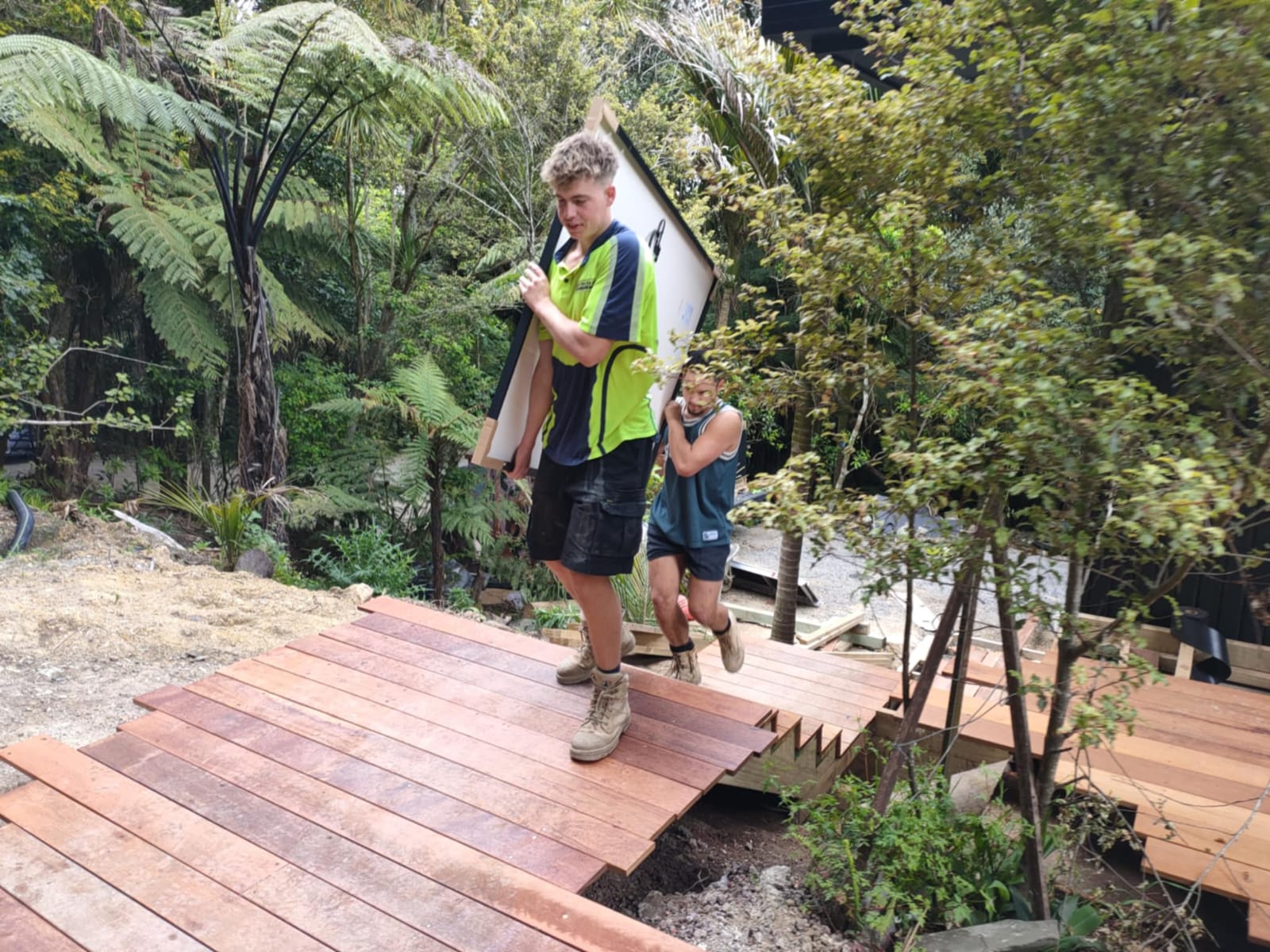
- Installation and project management: delivered by our own team of registered Master Electricians, not subcontracted out.
- Compliance and grid connection: we manage sign-off with your lines company and retailer.
- Maintenance: because commercial and industrial clients in particular need systems that keep performing with minimal downtime.
We hold SiteWise 100 certification (New Zealand’s highest contractor health and safety rating, and a requirement for many commercial, industrial and government clients), and every job is backed by a $20,000 workmanship guarantee as Master Electricians Quality Assured members. We’re based in Papakura and remain most invested in South Auckland, covering Manukau, Manurewa, Mangere, Papakura, Papatoetoe, Takanini, Wiri, Drury, Pukekohe, Karaka, Paerata and Waiuku, along with the wider Franklin district.
2026 Bank Finance Options for Solar
Green finance from New Zealand’s major banks has matured significantly, and it now covers both commercial and residential solar clearly and competitively.
Commercial and Business Finance
- ASB Smart Solar Loan: up to $150,000 interest-free over 5 years, built specifically for farms and rural businesses, including commercial solar and battery installations.
- BNZ Green Business Loan: up to $80,000 at 1% p.a. over 3 years, for business-related green initiatives including solar power systems.
- Westpac Greater Choices Loan (commercial): up to $50,000 interest-free over 5 years, applicable to commercial solar and battery installs.
- ANZ Business Green Loan: up to $80,000 at 1% p.a. over 3 years, available to agribusiness and commercial customers for energy upgrades.
- Kiwibank Sustainable Energy Loan: smaller in scale (typically up to a $2,000 contribution), best suited to smaller commercial or farming installations.
- IRD Investment Boost: where a business owns the solar asset (whether purchased outright or via a green loan), it can immediately deduct 20% of the system cost from taxable income in year one, in addition to standard depreciation. Confirm the specifics of your situation with your accountant.
Beyond straight loans, two other structures are common for commercial clients:
- Power Purchase Agreements (PPAs): a zero-upfront arrangement where a third party installs and owns the system, and your business simply buys the electricity it produces at a fixed rate, typically 15 to 25% below your current grid tariff, locked in for 10 to 20 years. No capital outlay, but no ownership and no Investment Boost either.
- Operating leases: converts the system into a predictable monthly operating cost rather than a capital expense, keeping it off the balance sheet, with the option to purchase, renew or remove the system at lease end.
Outright purchase remains the option with the strongest long-term return (no financing cost, full Investment Boost, and the entirety of the electricity savings retained), but it requires the most upfront capital. Which structure suits your business comes down to cash flow, tax position and how you want the asset treated on your books; it’s worth modelling the options with your accountant before deciding.
Residential Finance
Homeowners have five main bank options to choose from:
- Westpac Greater Choices Home Loan: 0% p.a., up to $50,000 over 5 years, no establishment fee, no early repayment cost. Requires a Westpac mortgage (or willingness to move it) and at least 20% equity (40% for investment properties).
- ANZ Good Energy Home Loan: 1% p.a., up to $80,000 over 3 years, requires an ANZ mortgage and at least 20% equity.
- BNZ Green Home Loan: 1% p.a., up to $80,000 over 3 years, with a setup fee that may apply (around $150 for new customers).
- ASB Better Homes Top-Up: 1% p.a., up to $80,000 over 3 years, minimum 20% equity, typically a $99 top-up fee.
- Kiwibank Sustainable Energy Loan: runs on Kiwibank’s standard variable home loan rate over a longer 7 to 10 year term, but includes a contribution of up to $2,000 towards your system cost over four years for loans over $5,000.
These home loan top-ups generally require your mortgage to sit with (or move to) the bank in question. Interest-free retail finance through cards like Q Card or Gem Visa is also available through some suppliers, but the rates that apply once the interest-free period ends are steep (often 22 to 29% p.a.), so they suit homeowners who are confident they can clear the balance in full within the promotional window. A standard personal loan is another option worth comparing if your bank doesn’t offer a discounted green loan. The rate is usually higher than a mortgage top-up, but the shorter term can sometimes mean less total interest paid.
Is Solar a Sound Investment in South Auckland?
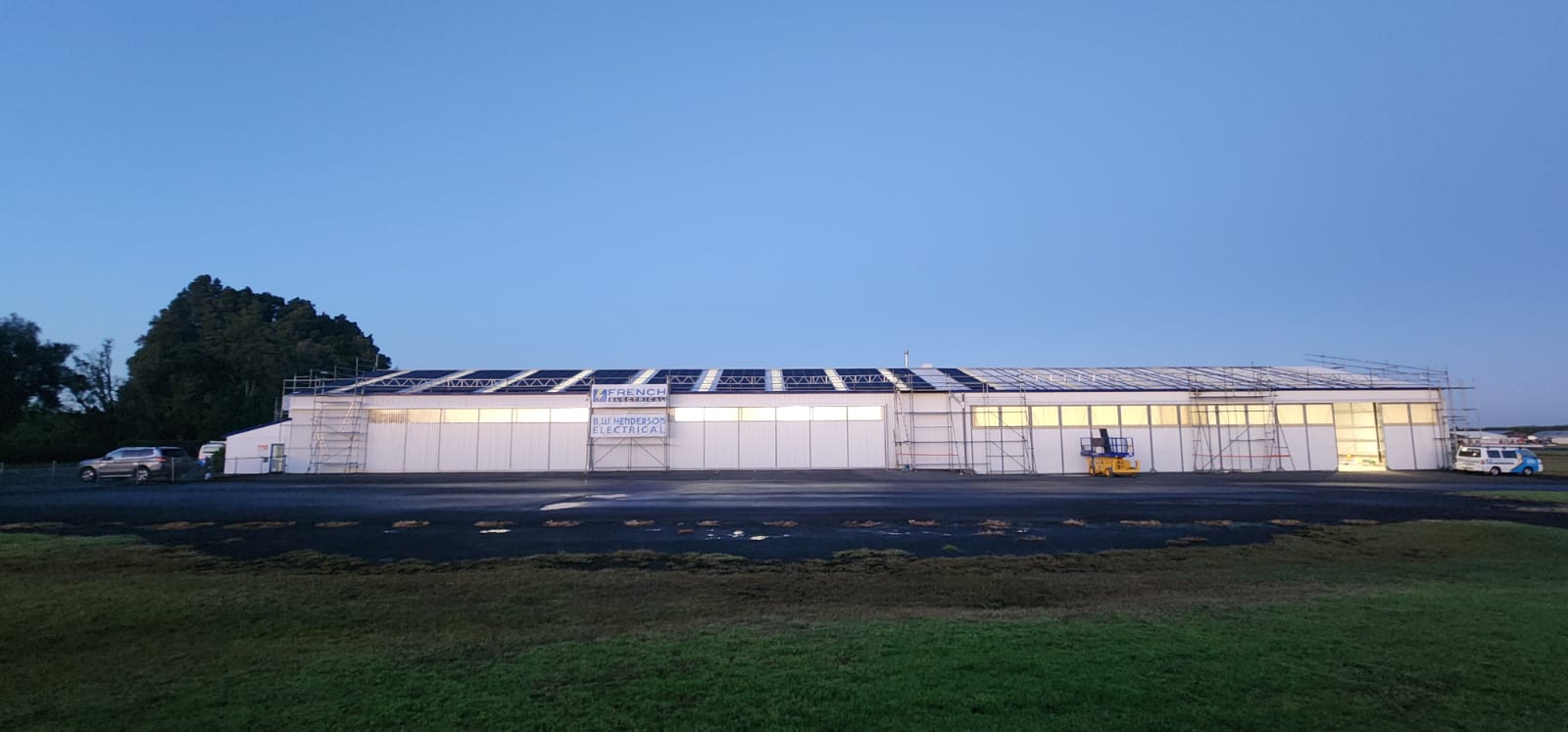
For most commercial sites and homes, the numbers stack up well in 2026, particularly with 0 to 1% p.a. finance available through the banks above, which in many cases means loan repayments are lower than the electricity savings generated from day one. Actual payback depends on your site’s usage profile, roof orientation, and your retailer’s buy-back rate, but 7 to 10 years is a reasonable expectation for residential systems, with well-utilised commercial installations often performing better again.
Talk to BW Henderson About Solar
If you’re weighing up solar for a South Auckland business, industrial site or home, we’re happy to walk through system design, likely output, and how the finance options above stack up for your situation. Book a job or request an estimate with BW Henderson today, or call us on 09 298 1944.