

Electrical Thermal Imaging Inspections for Auckland Businesses
Find Faults Before They Become Failures
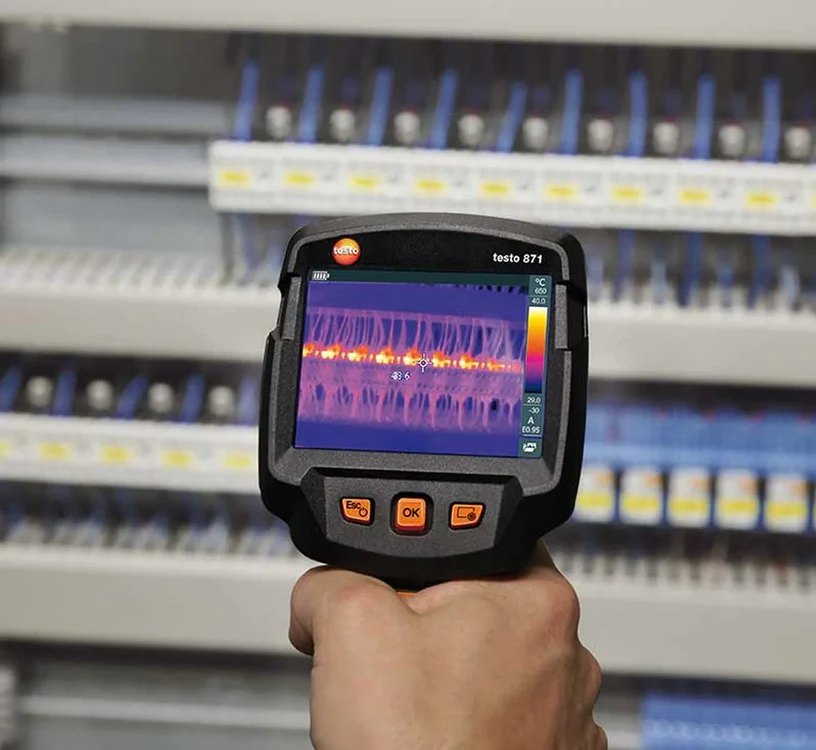
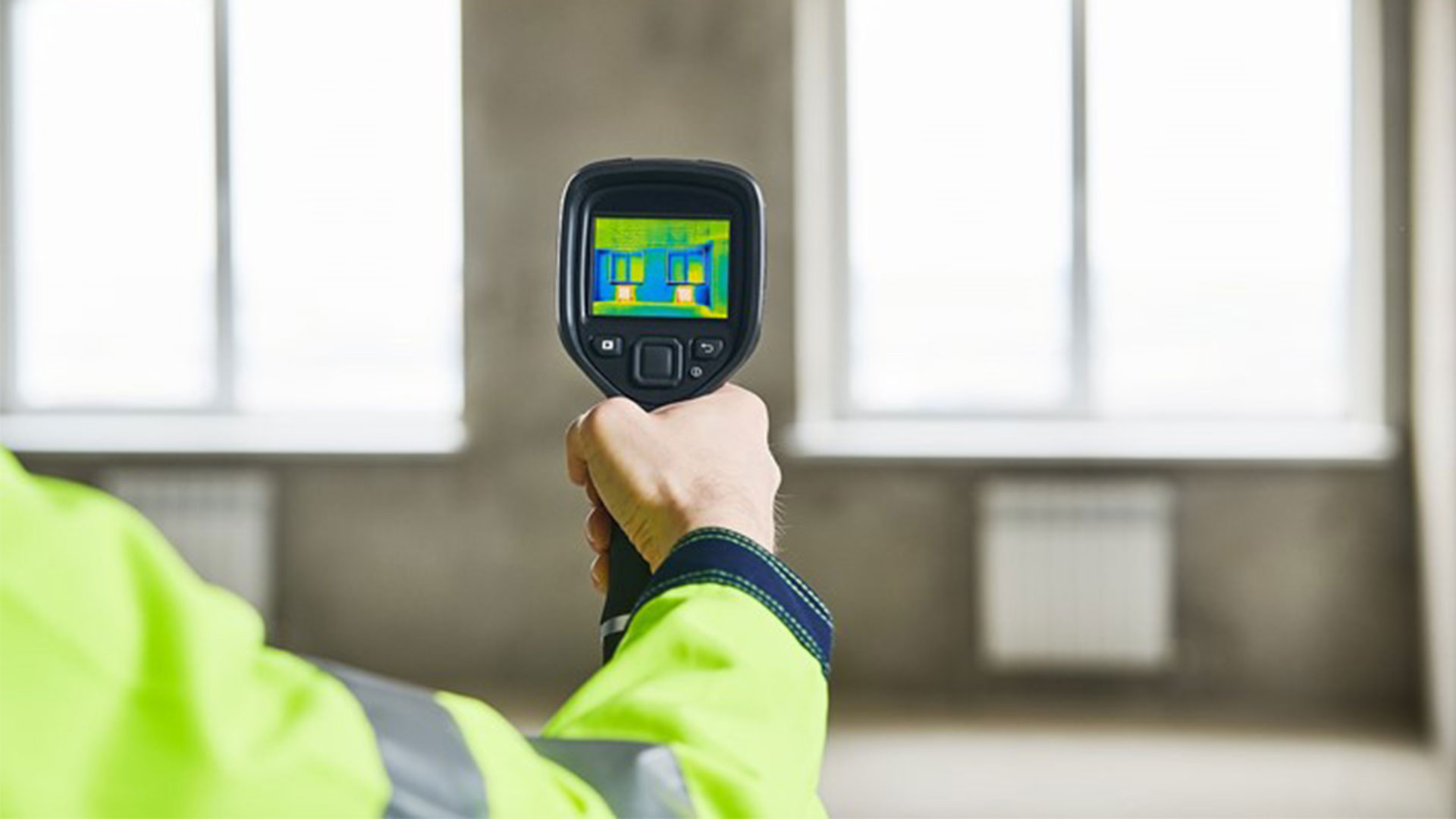
Thermal imaging is one of the most effective tools available for identifying electrical faults before they cause equipment failure, fire, or unplanned downtime. BW Henderson Electrical uses advanced thermal imaging cameras to inspect electrical systems across Auckland’s commercial and industrial facilities — detecting heat anomalies that are invisible to the naked eye.
A thermal imaging inspection is non-disruptive and can be carried out while your facility is in full operation. Furthermore, it requires no disconnection of equipment, meaning there is zero downtime associated with the inspection itself. As a result, it is one of the most cost-effective ways to maintain your electrical systems and protect your business.
How Thermal Imaging Works
Electrical faults generate heat. Loose connections, overloaded circuits, failing components, and deteriorating insulation all produce heat signatures that can be detected with a thermal imaging camera long before a fault becomes critical. Our qualified electricians scan your switchboards, control panels, cables, motors, and other electrical equipment, producing a detailed thermal report that identifies any areas of concern and recommends remediation work.
What Thermal Imaging Can Detect
Common Faults Found During Thermal Inspections
Our thermal imaging inspections identify a wide range of electrical faults in commercial and industrial facilities, including:- Loose or corroded connections generating excess heat
- Overloaded circuits and cables
- Failing or deteriorating switchboard components
- Unbalanced loads across three-phase systems
- Motor and bearing overheating
- Transformer hot spots
- Cable insulation breakdown
- Underperforming or failing circuit breakers
- Poor electrical connections in control panels
- Electrical faults that could lead to fire risk
Benefits of Thermal Imaging Inspections
Protect Your Business and Reduce Costs
Regular thermal imaging inspections deliver significant benefits for Auckland businesses:
- Early fault detection — find problems before they cause equipment failure or fire
- Reduced downtime — plan repairs at a convenient time rather than responding to breakdowns
- Non-disruptive — inspections are carried out while your facility operates normally
- Energy efficiency — identify components wasting energy through heat loss
- Safety improvements — reduce the risk of electrical fires and equipment damage
- Comprehensive reports — detailed documentation of findings for your records
- Insurance and compliance — thermal imaging reports support insurance requirements and compliance documentation
Thermal Imaging Reports
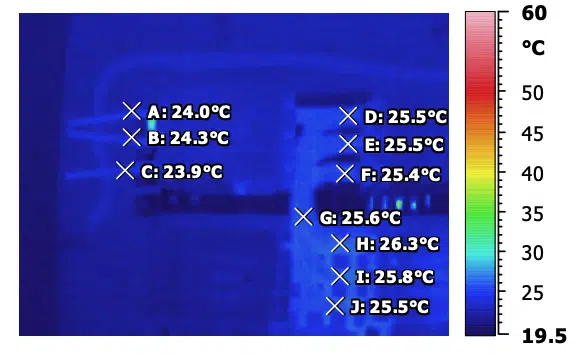
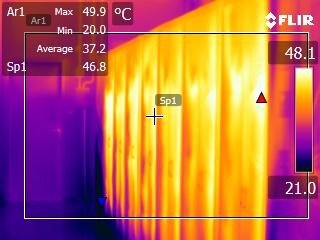
After every thermal imaging inspection, we provide a comprehensive written report with thermal images, temperature readings, fault descriptions, and recommended remediation work. In addition, reports are provided in a format suitable for insurance purposes and compliance documentation. This gives you a clear record of your electrical system’s condition and a prioritised action list for any repairs needed.
Who Should Have a Thermal Imaging Inspection?
Ideal for Industrial and Commercial Facilities
Thermal imaging inspections are particularly valuable for facilities with high electrical loads, ageing infrastructure, or critical systems where downtime is costly. We recommend thermal imaging inspections for:
- Factories and manufacturing facilities
- Warehouses and distribution centres
- Office buildings and commercial premises
- Retail centres and shopping complexes
- Schools and educational institutions
- Healthcare and medical facilities
- Data centres and server rooms
- Any facility with switchboards or control panels older than 10 years
Furthermore, thermal imaging inspections are an excellent addition to any planned maintenance programme — providing an annual health check of your electrical systems between routine service visits.



Thermal Imaging FAQs
How long does a thermal imaging inspection take?
How long does a thermal imaging inspection take?
A typical thermal imaging inspection of a commercial or industrial facility takes between one and four hours depending on the size of the property and the number of electrical systems to inspect. We will give you a time estimate when you book. Importantly, the inspection is carried out while your facility operates normally — there is no need to shut down equipment or interrupt production.
How often should I have a thermal imaging inspection?
How often should I have a thermal imaging inspection?
For most commercial and industrial facilities, an annual thermal imaging inspection is recommended. Higher-risk facilities or those with ageing electrical infrastructure may benefit from inspections every six months. Many clients include thermal imaging as part of their annual planned maintenance programme with BW Henderson.
Do I need to shut down to have a thermal imaging inspection?
Do I need to shut down to have a thermal imaging inspection?
No. Thermal imaging inspections are carried out while your electrical systems are under normal operating load — in fact, the equipment needs to be running to produce accurate thermal readings. There is no need to shut down machinery, disconnect equipment, or interrupt your operations during the inspection.
What happens if a fault is found during the inspection?
What happens if a fault is found during the inspection?
We document all findings in a detailed thermal imaging report with photographs, temperature data, and a description of each fault. We then provide a prioritised list of recommended repairs, categorised by urgency. As a result, you can decide which repairs to address immediately and which can be scheduled as part of your regular maintenance programme. BW Henderson can carry out all recommended remediation work.
Can thermal imaging be used for insurance purposes?
Can thermal imaging be used for insurance purposes?
Yes. Many insurance companies require or recommend thermal imaging inspections as part of their risk assessment process for commercial and industrial properties. Our thermal imaging reports include all the documentation typically required for insurance purposes — thermal images, temperature readings, fault descriptions, and remediation recommendations.